
Calendula: Always Bringing The Joy
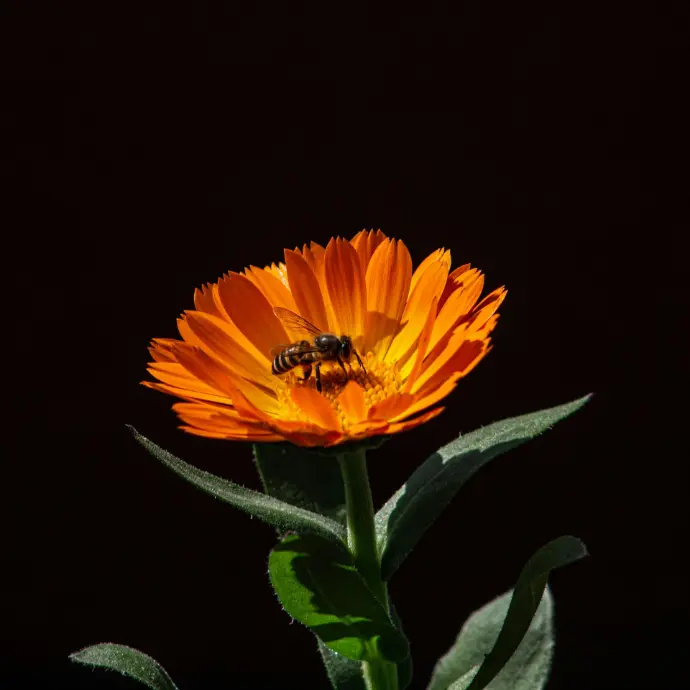
Hello Weekly Whorlers! This week we Clock In With Calendula, not to be confused with your ruffled marigolds, this little guy brings joy all on its own. Often called "Pot Marigold" this cheerful flower has a vibrant history, surprising uses, and is an easy to care for garden addition. Let's jump in and share its sunshine.
How We Got Here: The History Of Calendula
Calendula, native to southern Europe and the Mediterranean, its name derives from the Latin "kalendae" meaning "first day of the month". This name is perfect for the plant due to its long flowering season, which can last from spring to fall, often appearing at the beginning of each month. This reliable, months-long display acted as a natural calendar or clock for ancient people.
Another reason it is referred to as a little calendar or clock is that the flower has a habit of opening its petals as the sun rises, and closing them as the sun sets, marking the passage of each day.
Some other names that have surfaced for Calendula include Pot Marigold, Mary's Gold, and Ruddles. Pot Marigold refers to its use in cooking and culinary context, Mary's Gold refers to its dedication in Europe to the Virgin Mary. Ruddles is an old English name referring to its reddish-orange color.
The flower often gets confused with French and African Marigolds due to its common names, but those are in a completely different genus, Tagetes, and have a more full and ruffled look.
Uses And Powers
For centuries, Calendula has been a staple in medicine and cuisine. Ancient Greeks and Romans often used the flower in ceremonies as a medicinal herb. It was a common feature in Middle Age Apothecaries for use on fevers, cramps, and rashes. The petals have been added to foods for a little color or flavor enhancement.
Calendula is a powerhouse of a plant and science has found that it has distinct anti-inflammatory and antiseptic properties. It is heavily used in modern day skincare products like salves, balms, and lotions. Its ability to soothe irritated skin, heal minor cuts and scrapes, and reduce redness have made it a popular addition.
The petals are edible and have a mild peppery flavor. They have long been used to add a pop of golden color to salads, soups, and rice dishes as a replacement for saffron for a beautiful hue. Even some butters and cheeses get their color by adding some Calendula petals!
Not only is it used after the garden, but it is a great addition to any garden, as it attracts many beneficial insects, like lacewings and ladybugs, to help keep other garden pests in check. Its vibrant blooms can also act as a trap crop, luring aphids away from other plants.
It is an incredibly easy plant to care for, and bring a bit of joy to any garden or space.
Did You Know?
Calendula essential oils are often used in aromatherapy for its calming and uplifting properties.
In Ayurvedic medicine, Calendula is known as "Zergul", and is used for its detoxifying nature.
Has also been called the "Poor Man's Saffron" due to its color and spice.
Calendula was used often in the Civil War, doctors carried the dried petals to help stop bleeding and promote healing.
Some refer to it as the "Bride of the Sun or Solis Sponsa" due to its vibrant petals and heliocentric quality.
Calendula was used in magical folklore, in wreaths to ward off evil spirits, and in tonics as a love potion.
We hope you enjoyed getting to know more about the clockwork of Calendula! Maybe the next time you see one, give it a try, it might become your next favorite spice!