
Morning Glory: The Other September Star
Hello Weekly Whorlers! This week we ask, "What's Your Story, Morning Glory?" There are few sights as astonishing and uplifting as the Morning Glory, Ipomoea, unfurling its whorl and welcoming the sun. These beauties remind us that each day is a new beginning, and that there are simple joys to be found. Let's jump in to the daily life of Morning Glory.
How We Got Here: The History Of The Morning Glory
The story of the Morning Glory is deeply connected with human civilization. Native to the tropics of the Americas, its history is rich and starts with the Ancient Aztecs and Mayans who held the plant in high regard. The seeds were of spiritual significance and often used in rituals for their psychoactive properties. The sap was extracted and made into a rubber-like substance used to create various objects including the ceremonial balls for their sacred ballgames.
It wasn't until the 16th century that Morning Glory arrived in Asia, and quickly gained popularity there, especially in Japan. The Japanese horticulturists developed countless varieties including the stunning array of colors we see today. From Asia they made their way to Europe and beyond, becoming a mainstay in gardens, known for their vigorous growth and fleeting blooms.
Interesting Uses And Meanings
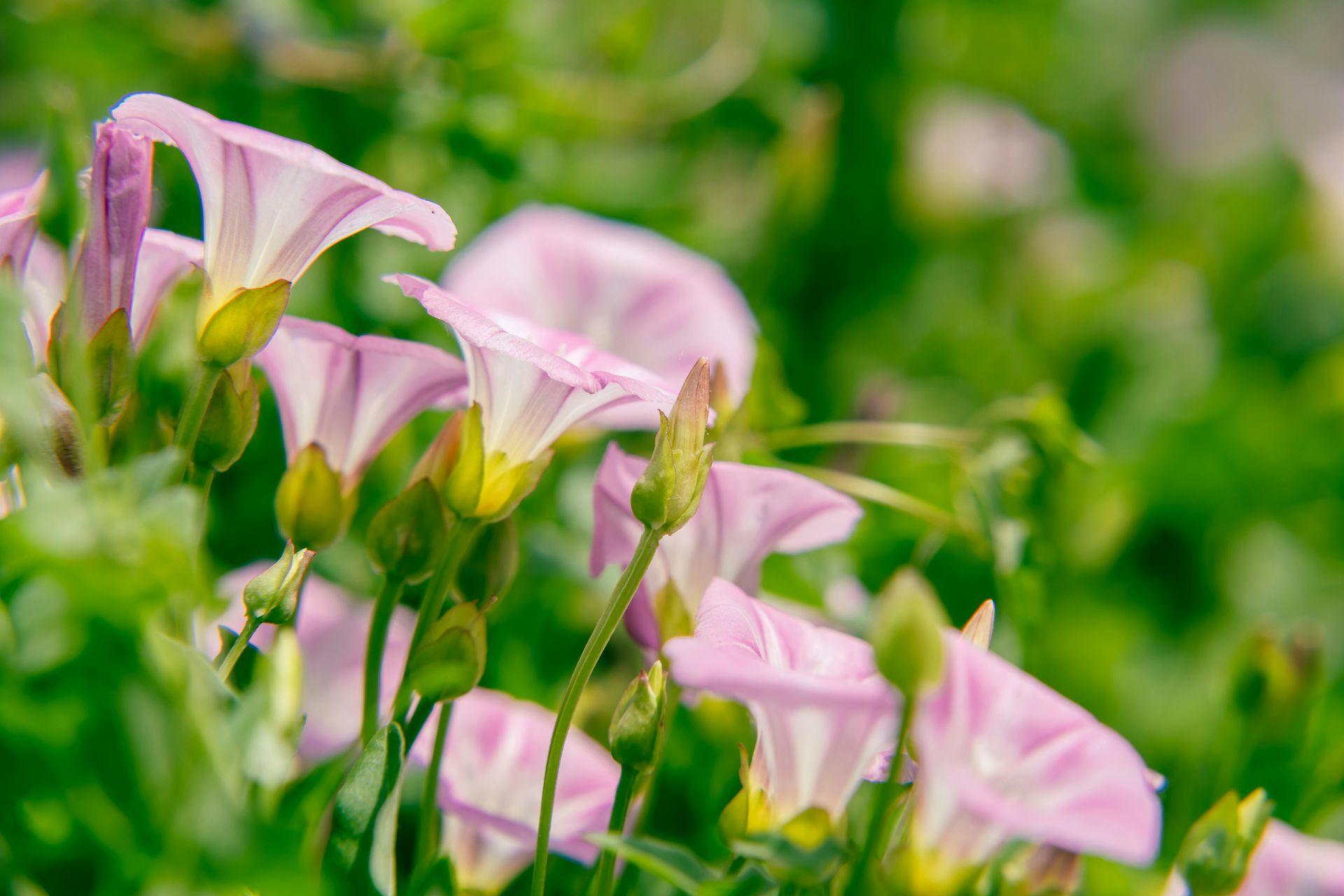
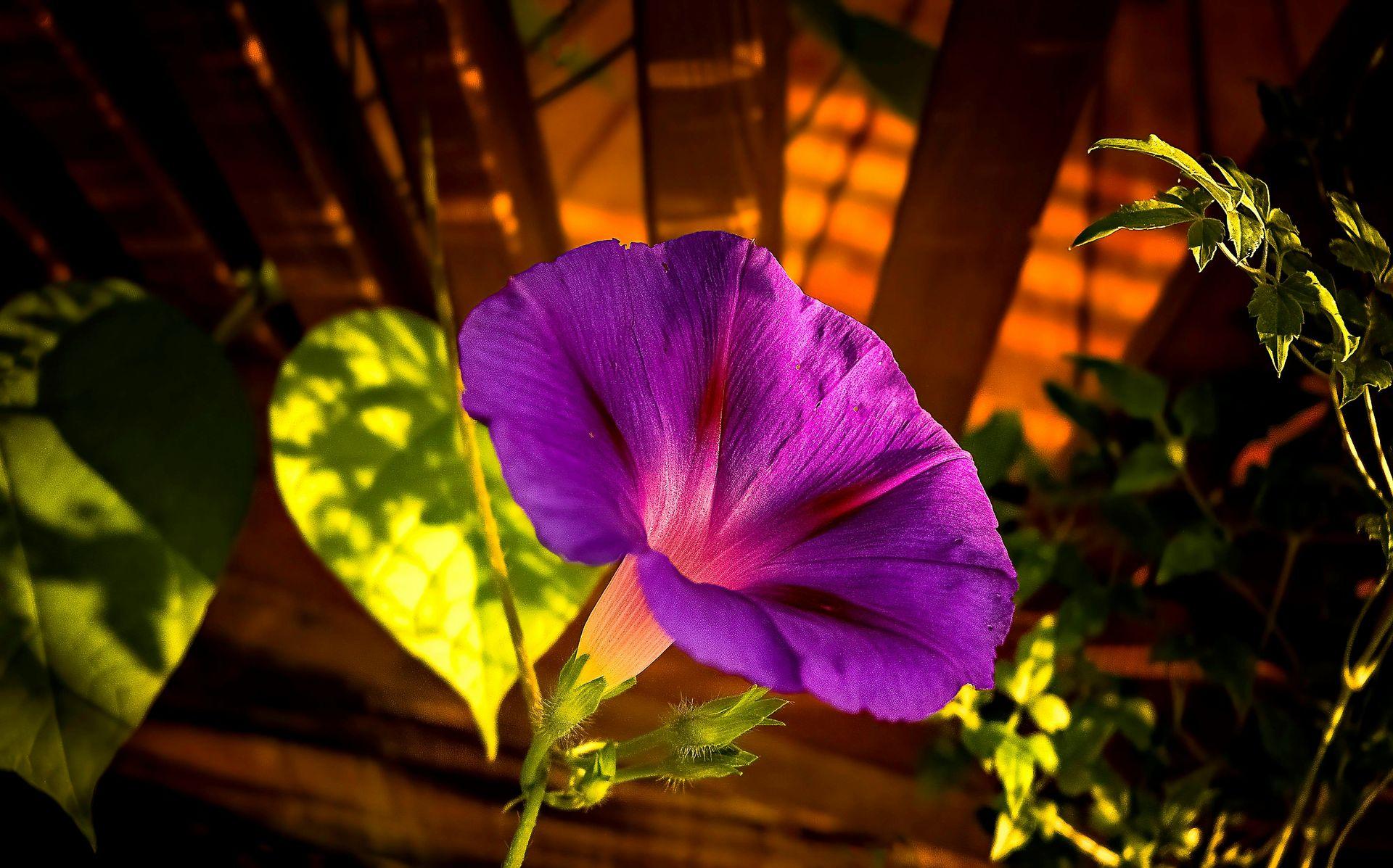
Morning Glory is primarily used in gardens and beds for their ornamental value. Their quick creeping growth makes them ideal as a groundcover, trailing over banks, wrapping up pergolas, or even preventing erosion. They come in vibrant blues, purples, pinks, bi-colored or white and can give you some vertical interest and cottage garden vibes.
They have however, also been used in traditional medicine for their laxative and purgative properties, but it is important to note that many Morning Glory seeds contain a psychoactive compound and can be toxic if ingested.
The Language of Flowers associates Morning Glory with affection and love due to their intertwining and embrace growth habit signifying enduring love and attachment. The daily bloom and fade symbolize the transient beauty of life and showing us our own mortality and how short life really is. As they open up to the sun each day, they also represent renewal and new beginnings as well as hope and rejuvenation.
Did You Know?
The Morning Glory blooms only last a single day.
The Ipomoea genus has over 1000 species.
Sweet Potato is a Morning Glory.
They grow quickly and can reach up between 6-10 feet in a single season.
They are valuable to pollinators like hummingbirds, butterflies and moths.
They offer passive cooling and could help with heat islands.
We hope you enjoyed getting to know the story of Morning Glory. The next time you take that morning stroll, look for one and know that you have witnessed a one of a kind rare and fleeting beauty!